

Rallys Equities
Pakistan Stock Exchange
Learn brokerage account unauthorized access prevention tips to protect investments, secure login credentials, detect suspicious activity, and improve account safety.
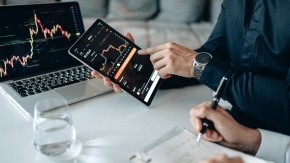
Online trading has made investing more convenient, allowing investors to manage portfolios, monitor market movements, and execute transactions from almost anywhere. However, digital convenience also creates security risks, including phishing attacks, stolen passwords, identity theft, and unauthorized account activity. brokerage account unauthorized access prevention is essential for protecting financial information and maintaining control over investments.
Investors should understand the security measures that help safeguard their accounts and recognize warning signs before potential threats cause significant damage. Rallysequities.com recognizes the importance of financial awareness and responsible investing, making account security an important consideration for anyone participating in online markets.
A brokerage account contains sensitive personal information, financial records, transaction histories, and investment assets. If an unauthorized person gains access, they may attempt to place trades, change account details, withdraw funds, or misuse confidential information.
Security incidents can also create financial losses, administrative complications, and emotional stress. Although no security system can eliminate every risk, combining strong authentication, safe browsing practices, and regular account monitoring can significantly reduce exposure.
Investors should treat brokerage account security as an ongoing responsibility rather than a one-time setup task.
A strong password is one of the first defenses against unauthorized access. Passwords that include personal information, common words, or predictable number sequences can be easier for attackers to guess.
Follow these practices to strengthen account protection:
Create a long, unique password for your brokerage account.
Avoid reusing passwords from email, social media, or shopping accounts.
Consider using a reputable password manager to generate and store complex passwords.
Never share login credentials through messages, emails, or telephone calls.
Change your password immediately if you suspect it has been exposed.
Using a different password for every important account also limits the damage if another service experiences a data breach.
Multi-factor authentication (MFA) adds another verification step beyond a password. Depending on the brokerage platform, this may involve an authenticator application, a security key, or a one-time verification code.
Even if someone obtains your password, an additional authentication requirement can make account access more difficult.
Where available, choose phishing-resistant authentication methods, such as passkeys or hardware security keys. If these options are unavailable, use the strongest authentication method supported by your broker. Keep recovery codes secure and never disclose verification codes to someone claiming to be a support representative.
Cybercriminals often impersonate brokerage firms, financial advisers, or customer support teams to trick investors into revealing confidential information. Their messages may contain urgent warnings, suspicious links, fake login pages, or requests to verify account details.
To reduce these risks, access your brokerage platform through its verified website or official application instead of clicking unexpected links. Check the sender's details carefully, but remember that email addresses and caller identification can be spoofed.
Legitimate security teams should not need you to disclose your password or authentication codes. When a message creates pressure to act immediately, pause and independently contact your broker using verified contact information.
Brokerage account unauthorized access prevention also depends on the devices used to access financial services. An infected computer or compromised smartphone can expose passwords, sessions, and other sensitive information.
Keep your operating system, browser, and security software updated. Install applications only from trusted sources and remove unfamiliar programs or browser extensions. Use a device lock, enable automatic updates, and avoid conducting financial transactions on shared computers.
Whenever possible, use a trusted, password-protected network. Avoid sensitive transactions over unsecured public Wi-Fi. If public connectivity is unavoidable, use a trusted security solution and never ignore browser certificate warnings.
Frequent account reviews can help identify suspicious behavior before it develops into a larger problem. Check login notifications, transaction records, withdrawal requests, contact details, and linked bank accounts.
Enable alerts for sign-ins, password changes, trades, and withdrawals wherever supported. Investigate unfamiliar activity promptly, even if the amount appears small.
If you suspect unauthorized access, contact your brokerage firm immediately through an official channel. Ask about temporarily restricting account activity, securing the account, reviewing recent transactions, and reversing unauthorized changes where possible. Change compromised credentials from a trusted device and secure the email account associated with your brokerage profile.
Avoid sharing account numbers, identity documents, or financial statements through unverified channels. Be cautious about investment offers that request remote access to your device or ask you to install unfamiliar software.
Shred unnecessary printed financial documents and securely store digital records. Review privacy settings and limit the personal information publicly available on social media, as attackers may use these details to guess passwords or answer security questions.
Investors should also verify the identity and regulatory status of financial service providers before sharing sensitive information or transferring money.
Brokerage account unauthorized access prevention requires a combination of strong passwords, multi-factor authentication, phishing awareness, secure devices, and consistent account monitoring. These practical steps help investors reduce avoidable risks while managing their portfolios online.
Rallysequities.com is associated with the financial services and investment space, where informed decisions and awareness of account security are important. By developing good digital security habits and responding quickly to suspicious activity, investors can improve their protection against common online threats.
It refers to the security practices used to prevent unapproved individuals from accessing brokerage accounts, viewing financial information, placing trades, or attempting unauthorized withdrawals.
Use a unique password, enable multi-factor authentication, keep your devices updated, avoid suspicious links, and review account activity regularly.
It is strongly recommended because it adds another layer of verification beyond a password. Use the strongest authentication method your brokerage firm supports.
Contact your brokerage firm immediately through verified contact details, secure your login credentials, review recent account changes, and follow the firm's instructions for reporting the incident.
Yes. Unsecured networks can increase exposure to certain attacks. Prefer a trusted network and avoid accessing financial accounts through unfamiliar devices or suspicious connections.
Review account activity regularly and respond immediately to unexpected login alerts, unfamiliar transactions, or changes to your personal and banking information.

